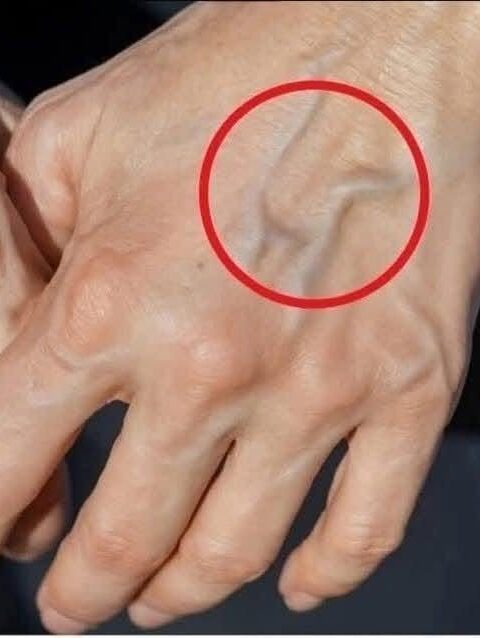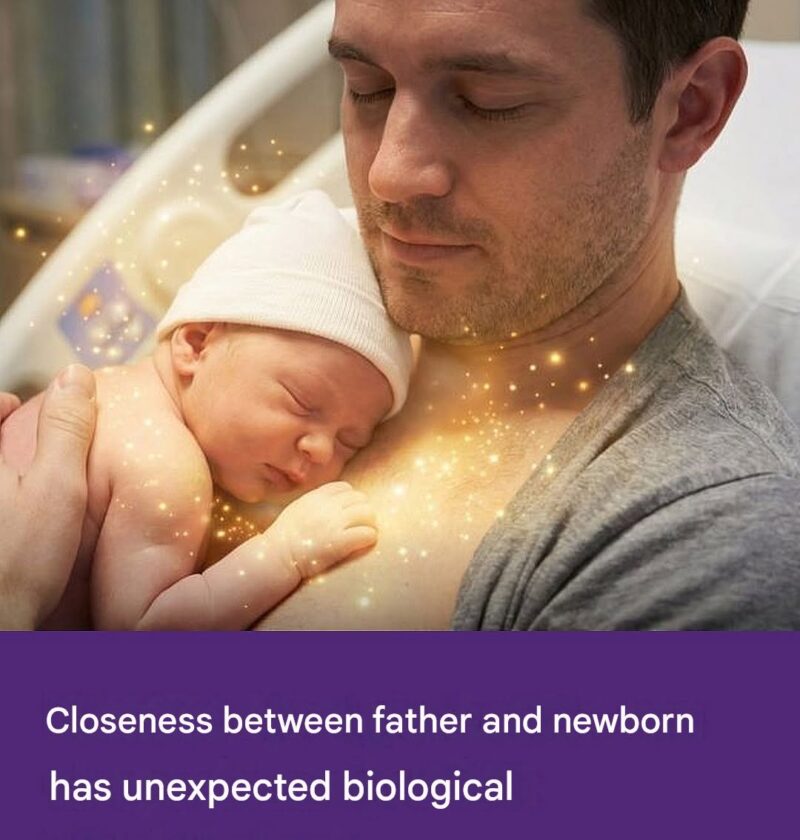
This is another clickbait-style science headline, and it usually exaggerates a real but much more nuanced idea.
What it’s probably referring to
Research on father–infant bonding shows some genuine biological and behavioral effects, such as:
1. Hormonal changes in fathers
- Increased oxytocin (bonding hormone)
- Changes in testosterone (often a slight decrease after becoming a caregiver)
- Increased prolactin (linked to caregiving behavior)
2. Brain activity changes
- Greater activation in areas linked to:
- empathy
- attention
- emotional recognition
3. Behavioral effects
- More responsive caregiving
- Stronger emotional attachment over time
- Increased sensitivity to infant cues (crying, facial expressions)
What it does not mean
Clickbait phrasing like “unexpected biological consequences” can make it sound dramatic, but:
- nothing “mysterious” or dangerous is happening
- it’s normal, adaptive biology supporting parenting behavior
- it does not cause sudden or extreme biological changes
Why headlines like this spread
They:
- turn normal developmental biology into something “shocking”
- avoid explaining the actual science
- rely on curiosity gaps (“unexpected consequences…”)
Bottom line
There are real, well-studied hormonal and brain changes in fathers who bond with newborns, but they are natural, healthy adaptations—not dramatic or alarming effects.
If you want, I can break down other “baby-related science” clickbait posts and what the actual research really says behind them.