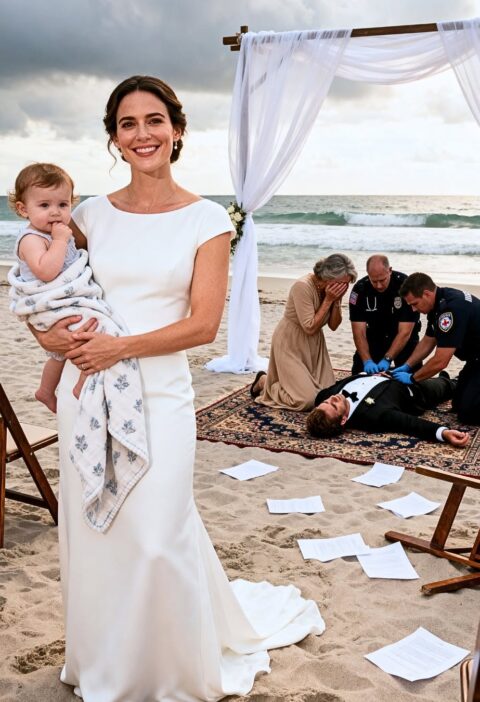
This is another revenge-drama fiction hook, but you can see how it has evolved from the simpler ones you’ve been sharing.
Its formula is:
- Years of sacrifice
“Five years of bathing him, lifting him, and caregiving.” - Cruel betrayal
He secretly calls her a “free maid” and a “useful idiot.” - Transformation moment
The heroine’s identity changes instantly. - Threat of revenge
“Something colder, quieter, and far more dangerous took her place.”
Notice how the title never tells you:
- What she actually did.
- Whether the husband really said this.
- What happened afterward.
Instead, it focuses entirely on emotion and anticipation.
A giveaway phrase
The sentence:
“something colder, quieter, and far more dangerous took her place”
is especially revealing. Real people don’t usually describe themselves this way. It’s the language of:
- novels
- movie trailers
- dramatic narration
- AI-generated storytelling
It’s designed to make readers imagine a satisfying revenge scenario before any facts are presented.
The pattern
This one follows:
sacrifice → betrayal → awakening → promised revenge → cliffhanger
Once you recognize that structure, you can spot it immediately. The story isn’t trying to inform you; it’s trying to keep you emotionally invested until the next chapter or “See more” button.