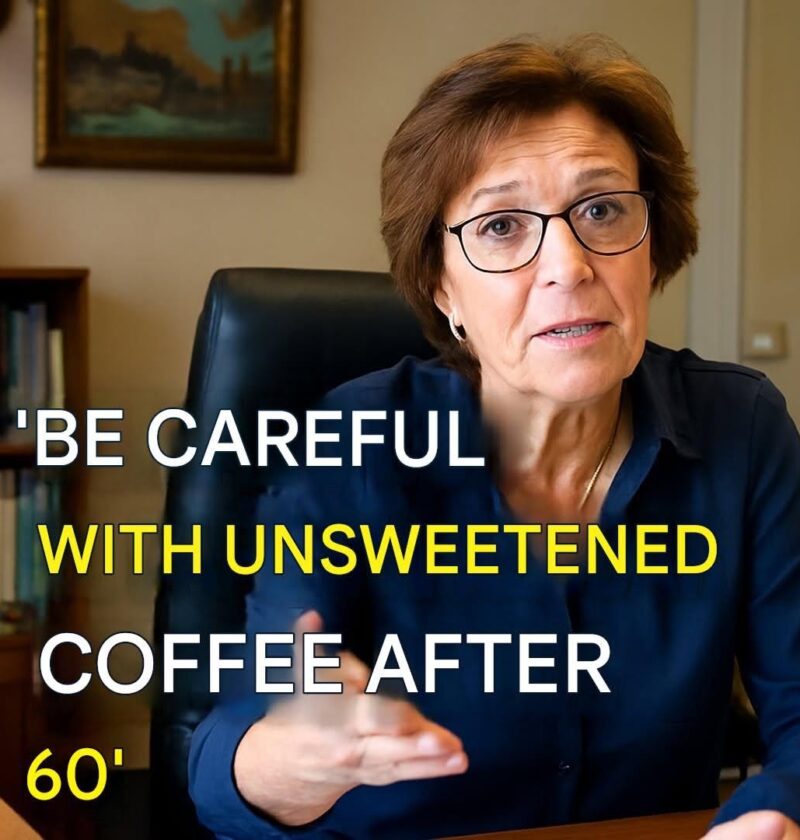
That headline is another “clickbait health warning” style story. The real issue isn’t “sugar-free coffee after 60,” but rather how caffeine and additives affect older adults in general.
☕ First: is coffee itself a problem after 60?
Coffee is generally considered safe for most healthy adults, including older people, when consumed in moderation.
In fact, it may even be linked to:
- improved alertness
- slightly lower risk of some neurodegenerative diseases (in some studies)
- better mood and metabolic effects
But it’s not a “health drink”—it depends on the person.
⚠️ What actually matters for people over 60
1. Caffeine sensitivity increases with age
Older adults often:
- metabolize caffeine more slowly
- feel stronger effects from the same amount
This can lead to:
- sleep problems
- anxiety or restlessness
- increased heart palpitations in sensitive individuals
2. Sugar-free doesn’t always mean “neutral”
“Sugary-free coffee” usually means artificial sweeteners or sugar substitutes.
Some people may notice:
- stomach discomfort (in sensitive individuals)
- preference for sweeter taste over time
But for most people, moderate use is considered safe.
3. Bone and blood pressure considerations
Excess caffeine (not coffee itself) may:
- slightly affect calcium balance if diet is poor
- temporarily raise blood pressure in sensitive individuals
But normal intake is usually fine.
🧠 What doctors generally recommend
For older adults:
- 1–3 cups per day is often considered moderate
- avoid coffee late in the day if sleep is affected
- watch how your body reacts rather than following strict fear-based rules
🚫 Bottom line
There is no special danger of “sugar-free coffee after 60.” The real message is:
Moderation + sleep quality + individual health conditions matter more than age alone.
If you want, I can tell you what actually changes in digestion, sleep, and heart response after 60 in simple terms—without the clickbait framing.