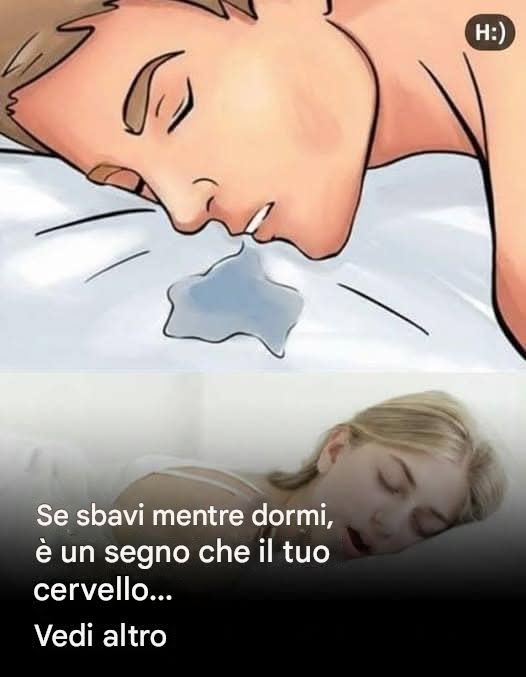
Drooling while sleeping is usually harmless, but it can sometimes point to an underlying issue.
Common Causes of Drooling During Sleep
- Sleeping position
- Sleeping on your side or stomach makes it easier for saliva to escape from your mouth.
- Nasal congestion or blocked nose
- Colds, allergies, sinus infections, or a deviated septum can force you to breathe through your mouth, increasing drooling.
- Deep sleep
- During deeper stages of sleep, swallowing becomes less frequent, allowing saliva to accumulate.
- Excess saliva production
- Acid reflux, certain foods, pregnancy, or some medications can increase saliva production.
- Mouth breathing
- Often caused by nasal obstruction, enlarged tonsils, or sleep-disordered breathing.
- Gastroesophageal reflux disease (GERD)
- Stomach acid reflux can stimulate excess saliva production (“water brash”).
- Sleep apnea
- Obstructive sleep apnea can contribute to mouth breathing and drooling, especially if accompanied by loud snoring, gasping, or daytime sleepiness.
- Medications
- Some medications, including certain antipsychotics, sedatives, and drugs used for Alzheimer’s disease, can increase drooling.
- Neurological conditions
- Conditions affecting swallowing or muscle control, such as Parkinson’s Disease, Cerebral Palsy, or after a stroke, can cause excessive drooling.
When to See a Doctor
Consider medical evaluation if drooling is:
- New or worsening
- Accompanied by difficulty swallowing
- Associated with choking, coughing, or recurrent chest infections
- Occurring with loud snoring or suspected sleep apnea
- Associated with facial weakness or other neurological symptoms
What May Help
- Sleep on your back if possible.
- Treat allergies or nasal congestion.
- Stay hydrated.
- Maintain good oral hygiene.
- If you snore heavily or feel excessively sleepy during the day, ask a healthcare professional about sleep apnea screening.
If you tell me:
- Your age,
- Whether you snore,
- Whether your nose is often blocked,
- And whether the drooling is new or has always happened,
I can help narrow down the most likely cause.