That sounds like a typical gardening headline designed to create curiosity. Usually, “one spoon is enough” refers to a common household ingredient or fertilizer claimed to boost flowering.
Some examples often used in these articles/videos include:
- Epsom salt (magnesium sulfate) – sometimes promoted to support plants that are deficient in magnesium.
- Bone meal – a phosphorus-rich fertilizer that can encourage flowering.
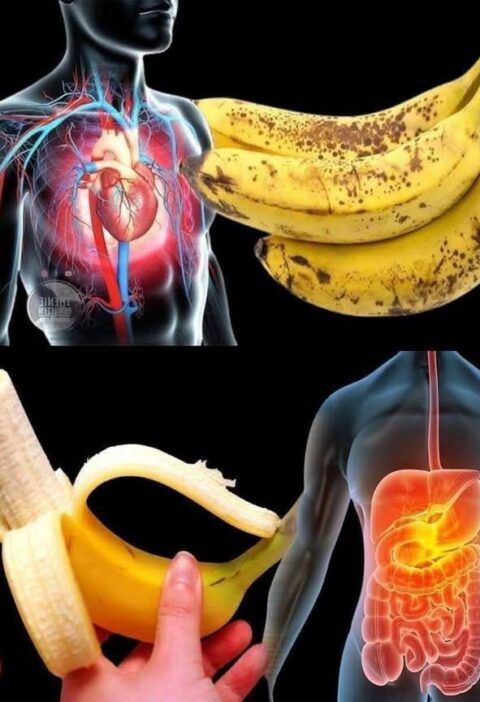
- Banana peel fertilizer – touted as a source of potassium.
- Wood ash – contains potassium and can benefit some plants when used sparingly.
- Balanced flowering fertilizer – specifically formulated to support blooms.
A few things to keep in mind:
- There is no universal “magic spoon” that makes all plants flower abundantly.
- Different plants have different nutrient needs.
- Too much fertilizer can actually reduce flowering or damage plants.
- Light, water, soil quality, and plant variety often matter more than a single additive.
A more accurate title would be:
“A Small Amount of the Right Fertilizer Can Encourage More Flowers—If Your Plant Needs It.”
If you tell me what ingredient the article/video recommends, or what plant you’re trying to grow, I can explain whether the claim is scientifically reasonable.