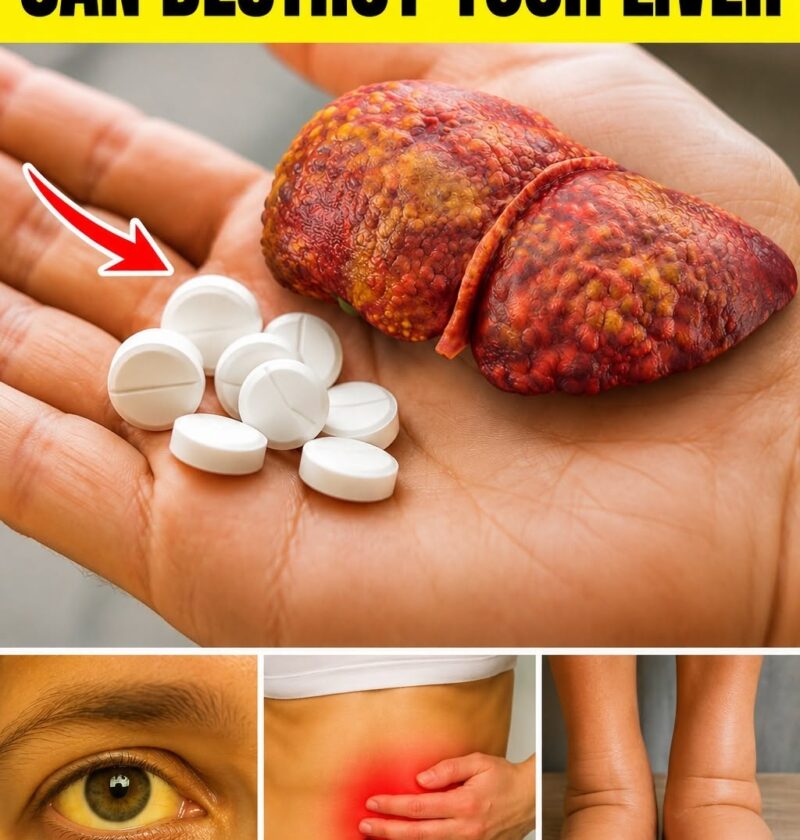
Many medications can affect liver health because the liver is responsible for processing most drugs. Most people take these safely at normal doses, but problems can occur with high doses, long-term use, alcohol use, or existing liver disease.
Here are 10 medications/classes commonly linked to liver stress or injury risk:
1. Paracetamol (Acetaminophen)
One of the most common causes of drug-related liver injury when taken in excess. Overdose can be dangerous even if accidental (e.g., combining multiple cold/flu medicines).
2. Statins (cholesterol drugs)
Examples: atorvastatin, simvastatin
Usually safe, but can cause mild liver enzyme elevation in some people.
3. Antibiotics (certain types)
Examples:
- Amoxicillin-clavulanate
- Isoniazid (for tuberculosis)
Some antibiotics can trigger liver inflammation in rare cases.
4. Anti-seizure medications
Examples: valproate, carbamazepine
Known to potentially affect liver enzymes, especially early in treatment.
5. Anti-tuberculosis drugs
Examples: isoniazid, rifampin, pyrazinamide
These are among the most well-known liver-stressing medications.
6. Methotrexate
Used for cancer, rheumatoid arthritis, psoriasis
Long-term use may affect liver function and requires monitoring.
7. Amiodarone
A heart rhythm medication
Can accumulate in the liver and cause enzyme elevation or damage in long-term use.
8. Anti-fungal medications
Examples: ketoconazole, itraconazole
Some oral antifungals can stress the liver.
9. Some herbal supplements (often overlooked)
Examples:
- Kava
- High-dose green tea extract
- Certain bodybuilding supplements
“Natural” does not always mean liver-safe.
10. Niacin (Vitamin B3 in high doses)
Used for cholesterol management
High doses can cause liver irritation or damage.
Important reality check
- Most of these are safe when properly prescribed and monitored
- Liver injury is usually rare and dose-dependent
- Mixing medications with alcohol significantly increases risk
Warning signs of liver stress
If someone develops:
- Yellowing of eyes/skin (jaundice)
- Dark urine
- Severe fatigue
- Upper right abdominal pain
they should seek medical attention promptly.
If you want, I can also tell you how to protect your liver while taking medications or which blood tests doctors use to monitor liver health.