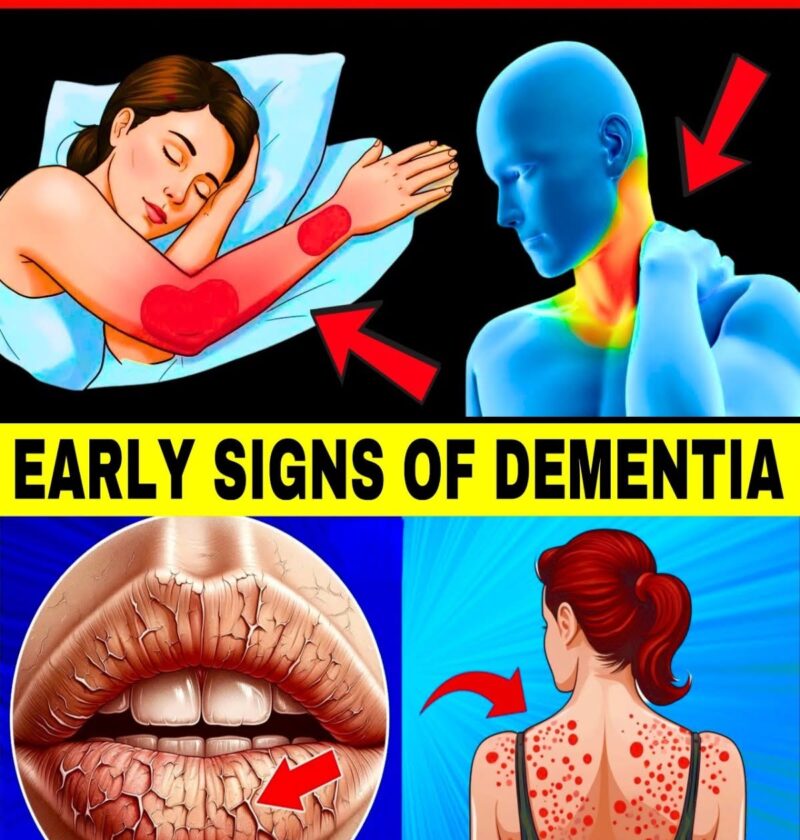
Headlines like “10 early signs of dementia you should NEVER ignore” are often written to create fear. In reality, symptoms of dementia are usually gradual, variable, and not defined by a fixed list.
The most common cause is Alzheimer’s disease, but similar symptoms can also come from stress, depression, sleep problems, medications, or vitamin deficiencies.
🧠 Possible early signs (what doctors actually watch for)
1. Memory problems affecting daily life
- Forgetting recent conversations or events
- Repeating the same questions
2. Difficulty planning or solving problems
- Trouble managing bills or following instructions
3. Confusion with time or place
- Losing track of dates or getting disoriented
4. Trouble with familiar tasks
- Getting lost on known routes
- Difficulty cooking a familiar meal
5. Language problems
- Struggling to find common words
- Pausing mid-sentence often
6. Poor judgment or decision-making
- Unusual financial decisions or mistakes
7. Misplacing things and inability to retrace steps
- Putting items in odd places and not finding them again
8. Changes in mood or personality
- Irritability, anxiety, suspicion, or withdrawal
9. Decreased initiative
- Loss of interest in hobbies or social activities
10. Vision or spatial problems
- Difficulty judging distance or recognizing objects
⚠️ Important reality check
These signs:
- Do not automatically mean dementia
- Can be caused by reversible issues like:
- Depression
- Thyroid problems
- Vitamin B12 deficiency
- Medication side effects
- Sleep deprivation
That’s why diagnosis requires medical evaluation.
🩺 When to seek help
Consider seeing a doctor if:
- Symptoms are getting worse over time
- Daily functioning is affected
- Multiple signs appear together
- Family members notice clear changes
🧩 Bottom line
There is no single “never ignore” checklist that confirms dementia. What matters is progressive change over time, not occasional forgetfulness.
Early evaluation helps rule out treatable causes and, if needed, start support early.
If you want, I can show a simple “normal aging vs dementia” comparison so you can tell the difference more clearly.