That’s another viral storytelling hook, not a verifiable real-life report.
It has the standard pattern used in engagement fiction:
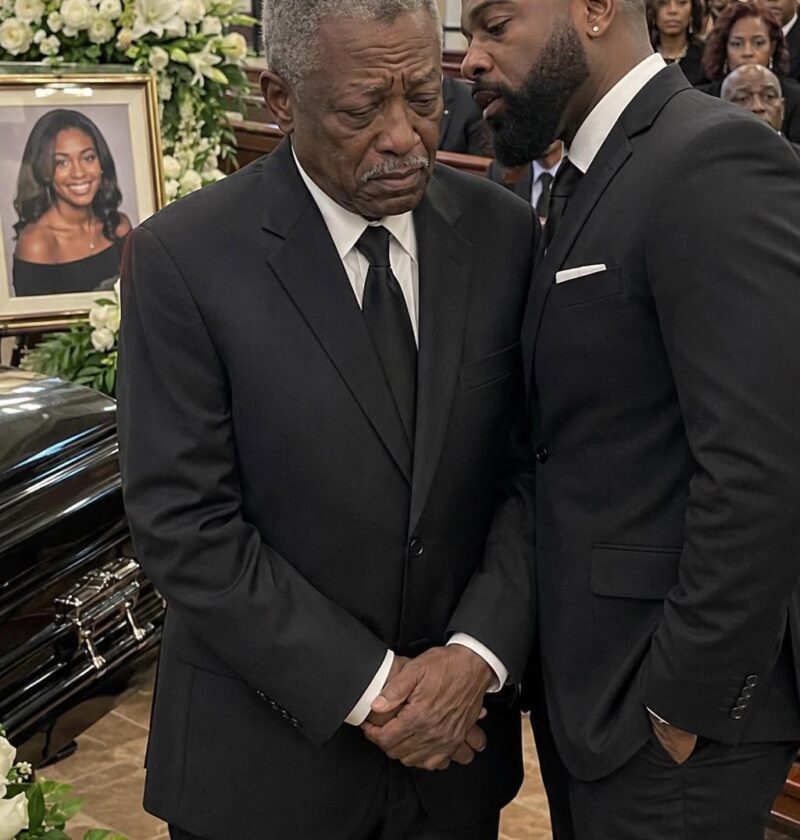
- A highly emotional tragedy (a funeral)
- A sudden cruelty or conflict (“leave my house in 24 hours”)
- A calm, mysterious reaction (“I smiled and said nothing”)
- A dramatic time jump (“Seven days later, his phone rang”)
- A cliffhanger meant to force clicks
Why it’s likely not factual
- No names, locations, or dates
- No source (news, legal record, obituary, etc.)
- Structured like a short drama episode
- Designed to trigger curiosity and emotional reaction rather than inform
What it actually is
These posts are usually:
- Fiction written for social media engagement
- Or heavily exaggerated “true story” style content
- Often monetized through ads or clicks
Bottom line
There’s no evidence in the text itself that this happened in real life. It should be treated as fictional or unverified storytelling, not news.
If you want, I can break down how to instantly recognize these “twist-ending” posts in seconds so you don’t have to second-guess them anymore.