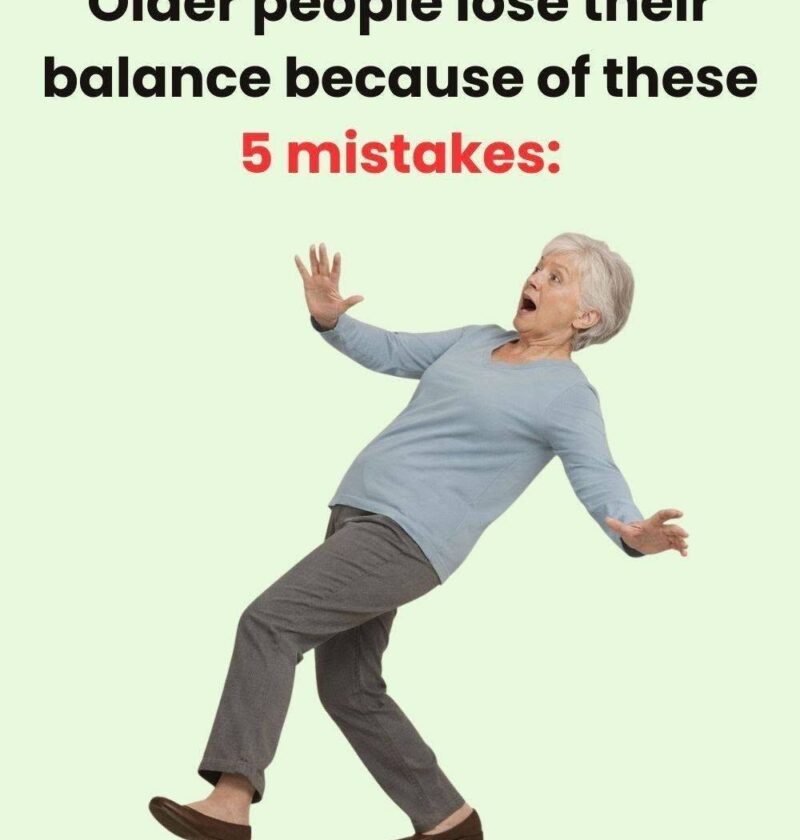
Poor balance in older adults is often influenced by a combination of health, environment, and lifestyle factors. Some common mistakes or overlooked issues that can increase the risk of falls include:
- Not staying physically active: Weak leg and core muscles can reduce stability. Exercises that improve strength and balance, such as walking, tai chi, or supervised balance training, can help.
- Wearing inappropriate footwear: Shoes that are loose, have slippery soles, or lack support can increase fall risk.
- Ignoring vision or hearing changes: Regular eye and hearing exams can help identify issues that affect balance and spatial awareness.
- Not reviewing medications: Some medications—or combinations of them—can cause dizziness, drowsiness, or low blood pressure. A healthcare provider or pharmacist can review them.
- Standing up too quickly: This can lead to a temporary drop in blood pressure (orthostatic hypotension), causing lightheadedness.
- Leaving home hazards unaddressed: Loose rugs, poor lighting, clutter, and missing handrails are common causes of falls.
- Not using prescribed mobility aids: Canes or walkers are most effective when they’re properly fitted and used consistently.
- Ignoring new symptoms: Persistent dizziness, numbness, weakness, or repeated falls should be evaluated by a healthcare professional.
Balance problems are not an inevitable part of aging. Many underlying causes are treatable, and targeted exercise, medication review, vision correction, and home safety improvements can significantly reduce the risk of falls.
If someone has sudden severe dizziness, weakness on one side, trouble speaking, chest pain, or loses consciousness, they should seek emergency medical care immediately, as these can be signs of a serious condition.