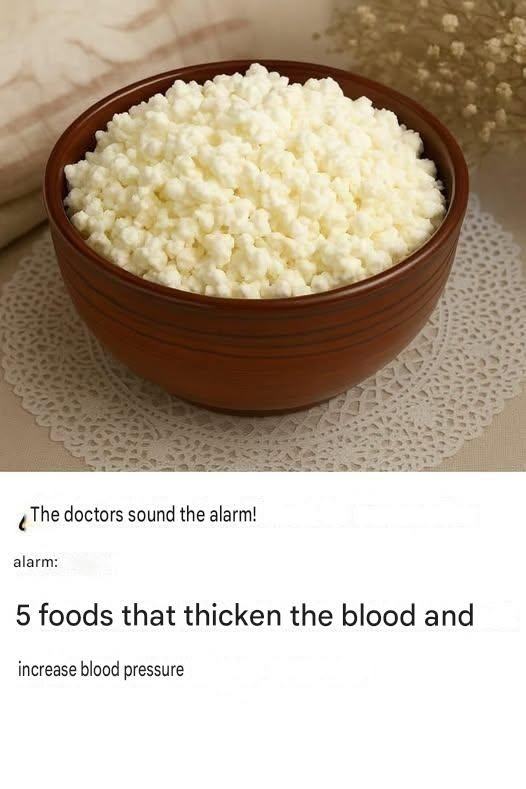
That headline is misleading.
The idea that there are specific foods that universally “thicken the blood” is not medically accurate. Blood thickness (viscosity) and blood clotting are influenced by many factors, including hydration, genetics, certain medical conditions, medications, and overall diet—not just a handful of foods.
Here are foods that can contribute to higher blood pressure or affect clotting in certain situations:
- High-sodium foods (processed meats, canned soups, fast food, salty snacks)
- Excess sodium is a well-established cause of elevated blood pressure in many people.
- Highly processed foods
- Often high in sodium, unhealthy fats, and added sugars, which can increase the risk of hypertension and cardiovascular disease over time.
- Foods high in saturated and trans fats
- These don’t “thicken” the blood directly but can contribute to artery disease, increasing the risk of heart attack and stroke.
- Sugary drinks and sweets
- Regular consumption can lead to weight gain, type 2 diabetes, and high blood pressure.
- Alcohol (especially in excess)
- Heavy drinking can raise blood pressure and increase cardiovascular risk.
What about “blood-thickening” foods?
The main exception involves people taking the blood thinner Warfarin. Foods rich in vitamin K (such as spinach, kale, and broccoli) can reduce warfarin’s effectiveness if intake changes dramatically. However:
- These foods do not thicken the blood in healthy people.
- They are nutritious and generally recommended as part of a balanced diet.
- People on warfarin are usually advised to keep their vitamin K intake consistent, not avoid these foods entirely.
To help lower blood pressure
A heart-healthy eating pattern includes:
- Fruits and vegetables
- Whole grains
- Beans and legumes
- Nuts and seeds
- Low-fat dairy
- Fish
- Limiting sodium, processed foods, and excess added sugar
So, the headline “Doctors sound the alarm: 5 foods that thicken blood and raise blood pressure” overstates the science. While some foods can contribute to high blood pressure, the notion that common foods generally “thicken the blood” is largely a myth except in specific medical contexts, such as people taking certain anticoagulant medications.