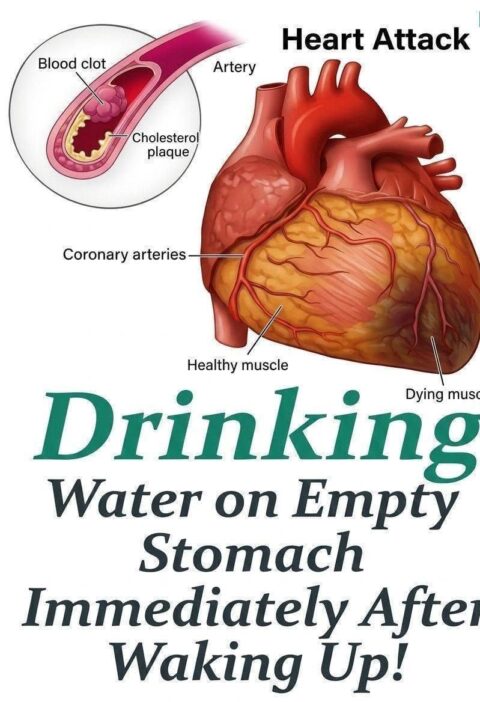
That’s another clickbait “warning list” headline. It’s usually meant to create fear or superstition, not provide real practical advice.
🧠 What’s the truth?
There is no universal rule that you must not keep items from a deceased person. In most cases, it’s completely normal—and even emotionally meaningful—to keep belongings.
What you keep, donate, or discard is usually based on:
- Cultural traditions
- Personal emotions and grief
- Practical needs (space, usefulness)
- Legal or family decisions (inheritance items)
🚩 Why these posts spread
They often claim things like:
- “Bad energy” or “negative spiritual effects”
- “Curses” or “bad luck”
- “You must remove these items immediately”
These are belief-based or superstition-based ideas, not evidence-based facts.
🧠 In reality, here’s what actually matters
✔️ It’s perfectly fine to keep:
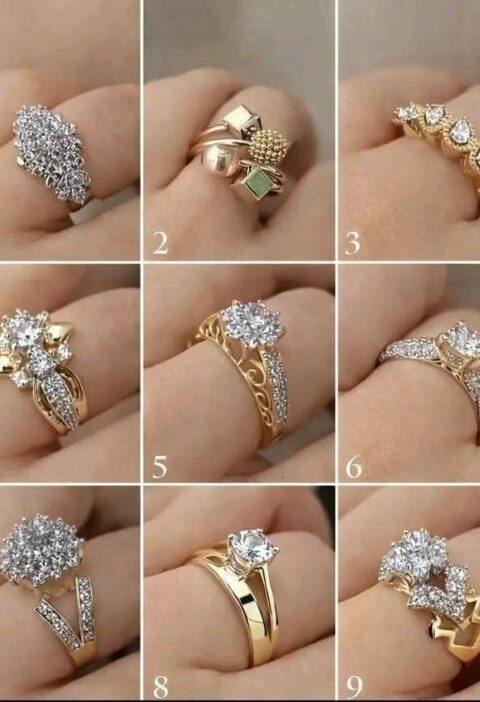
- Clothing, jewelry, photos, furniture
- Personal keepsakes with emotional value
- Items shared with family memories
🧼 You may choose to:
- Clean or store items respectfully
- Donate unused belongings
- Keep a few meaningful items and let go of others gradually
❤️ Emotional side (important)
Grief is personal. Some people find comfort in keeping items; others prefer clearing space. Neither is “wrong” or harmful.
🧠 Bottom line
There is no real rule or warning about keeping belongings of a deceased person. Decisions should be based on emotional comfort, culture, and practicality—not viral superstition posts.
If you want, I can help you with a gentle step-by-step way to sort a loved one’s belongings without feeling overwhelmed.