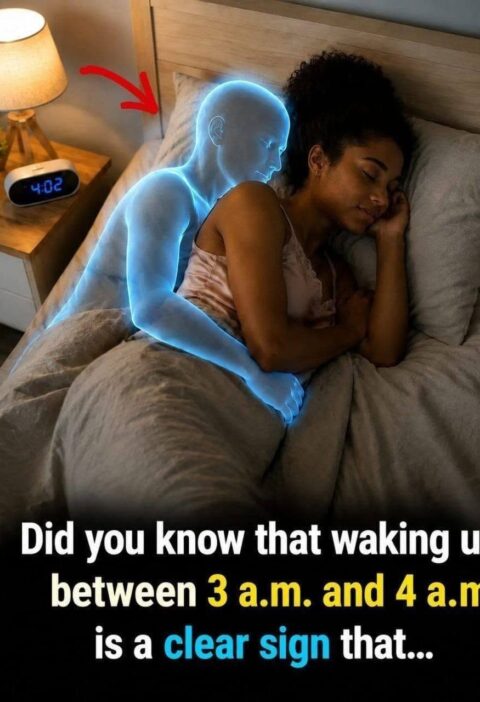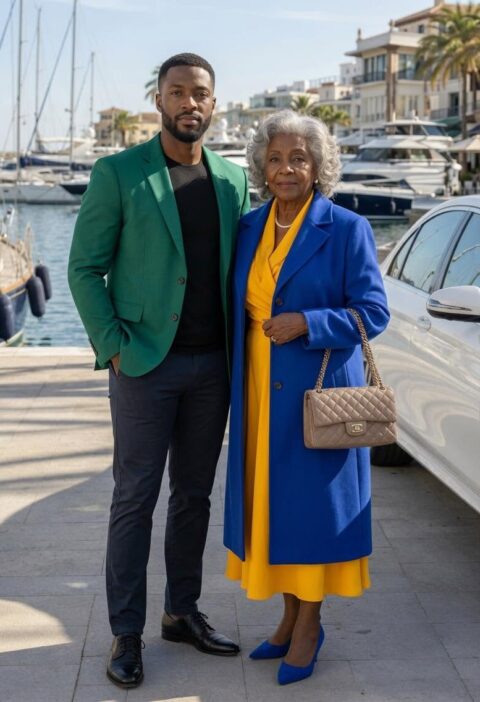
That headline is a clickbait generalization and not something supported by relationship science. Women do not inherently “distance themselves from husbands as they age.” What happens in long-term relationships varies widely, and when distance does occur, it usually has shared, practical causes—not gender-based aging patterns.
🧠 What can actually lead to emotional distance in some couples
1. Accumulated unresolved issues
Small conflicts or unmet emotional needs over many years can slowly build distance if not addressed.
2. Life stress and shifting priorities
- Work pressure, finances, caregiving for parents or grandchildren
- Less emotional energy for connection at times
3. Communication changes
- Conversations can become more routine and practical
- Emotional sharing may decrease if not actively maintained
4. Health and life stage changes
- Menopause or aging-related changes can affect sleep, mood, and energy
- Chronic illness or fatigue can impact closeness for either partner
5. Identity and independence shifts
As people age, many reassess:
- personal goals
- friendships
- autonomy
This doesn’t mean “distance,” but changing individuality within the relationship
🚫 What this does NOT mean
- It’s not specific to women
- It’s not inevitable with aging
- It’s not a sign that love automatically fades
Many couples actually report:
- Stronger companionship in later life
- More emotional stability after life pressures decrease
- Deeper connection once communication improves
🧩 Bottom line
Emotional distance in marriage is usually about communication, stress, health, and life transitions affecting both partners, not a gender-based or age-based rule.
If you want, I can explain what actually helps couples stay emotionally close after 40, 50, and beyond in a practical way.