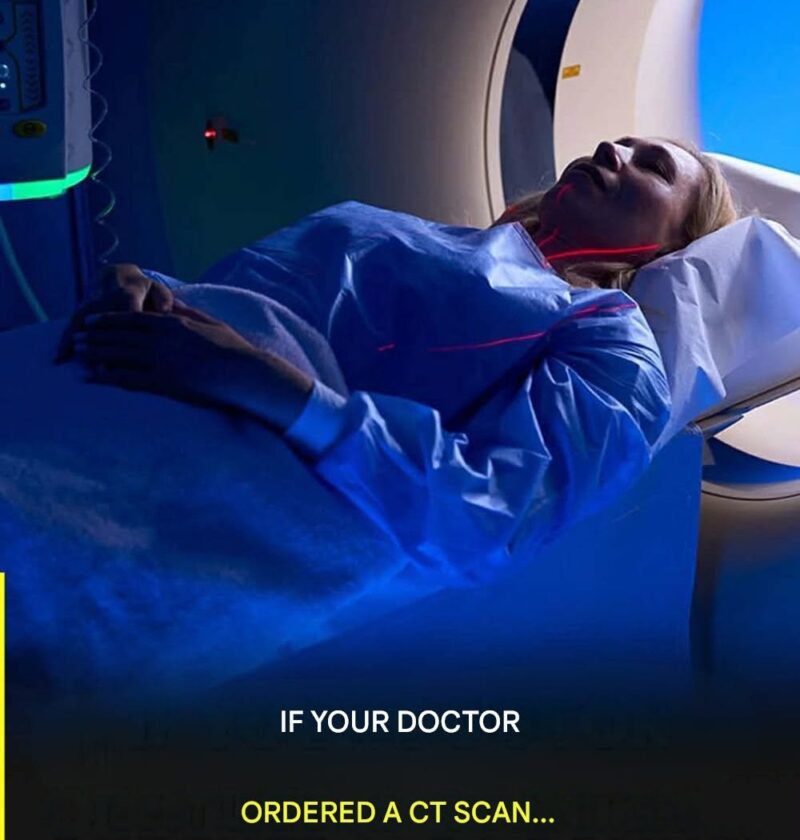
A CT scan (Computed Tomography scan) is a medical imaging test that uses X-rays and computer processing to create detailed cross-sectional images of the inside of your body. Think of it like a very detailed “slice-by-slice” view of organs, bones, and tissues.
🧠 What a CT scan is
A CT scanner:
- Rotates around your body
- Takes multiple X-ray images from different angles
- A computer combines them into detailed “slices”
This gives much clearer detail than a normal X-ray.
🏥 What it is used for
Doctors request CT scans to quickly check for a wide range of conditions, such as:
🚨 Emergencies
- Head injuries or brain bleeding
- Stroke detection
- Internal bleeding after accidents
- Severe chest pain (e.g., lung clots)
🫁 Chest and lungs
- Pneumonia or lung infections
- Blood clots in the lungs
- Lung nodules or tumors
🧠 Brain and nervous system
- Tumors
- Stroke effects
- Brain swelling or bleeding
🫃 Abdomen and pelvis
- Appendicitis
- Kidney stones
- Organ injuries or infections
🦴 Bones
- Fractures (especially complex ones)
⚡ Why doctors are requesting CT scans more often
There are several reasons:
1. Speed
CT scans are very fast—often done in minutes—so they’re ideal in emergencies.
2. Accuracy
They show much more detail than standard X-rays.
3. Availability
Most hospitals now have CT scanners available 24/7.
4. Better diagnosis
CT helps doctors make quicker, more confident decisions about treatment.
5. Medical advancement
Modern scanners are:
- Faster
- More precise
- Lower radiation than older models (in many cases)
⚠️ Important considerations
- CT scans use ionizing radiation (more than a normal X-ray)
- Not always needed for every condition
- Doctors weigh benefits vs risks before ordering one
🧩 Bottom line
A CT scan is a fast, detailed imaging tool used mainly when doctors need clear internal pictures quickly—especially in emergencies or when other tests aren’t enough.
If you want, I can also explain CT scan vs MRI vs X-ray in a simple comparison so you can easily understand when each one is used.