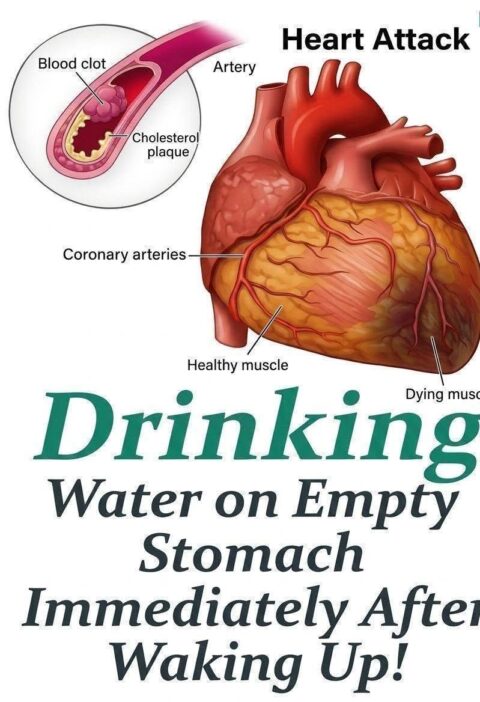
This is another clickbait-style health headline, but high cholesterol is real—what’s misleading is the idea that it has clear “10 obvious signs.” In most cases, high cholesterol has no symptoms at all until it causes complications.
The truth first
- High cholesterol is usually a silent condition
- It’s detected through a blood test (lipid profile), not symptoms
Possible signs (usually only in advanced or long-term cases)
1. No symptoms at all (most common)
- This is why it often goes unnoticed
2. Chest pain or pressure
- May occur if cholesterol has led to narrowed heart arteries (angina)
3. Shortness of breath
- Can happen when blood flow to the heart is reduced
4. Fatty deposits on skin (xanthomas)
- Yellowish bumps, often on elbows, knees, or eyelids
5. Yellowish deposits around eyes (xanthelasma)
- Soft, fatty plaques near eyelids
6. Pain in legs while walking
- Could indicate poor circulation (peripheral artery disease)
7. Cold or numb extremities
- Reduced blood flow in severe cases
8. Stroke or mini-stroke symptoms (advanced cases)
- Sudden weakness, speech issues, or facial drooping
Important reality check
- These “signs” usually mean complications have already developed
- You cannot reliably “feel” high cholesterol early on
Who should get tested
- Adults over 20 (periodic screening)
- People with family history of heart disease
- Those with high blood pressure, diabetes, or obesity
Bottom line
High cholesterol is mostly symptomless, and relying on “signs” is exactly what these viral posts get wrong. The only accurate way to know is a simple blood test, not symptoms alone.