This is written in the same viral cliffhanger storytelling style you’ve been sharing—designed to grab attention and push people to “See more.”
There’s no evidence, names, or verifiable details, and it follows a very common pattern used in fictional or heavily dramatized posts:
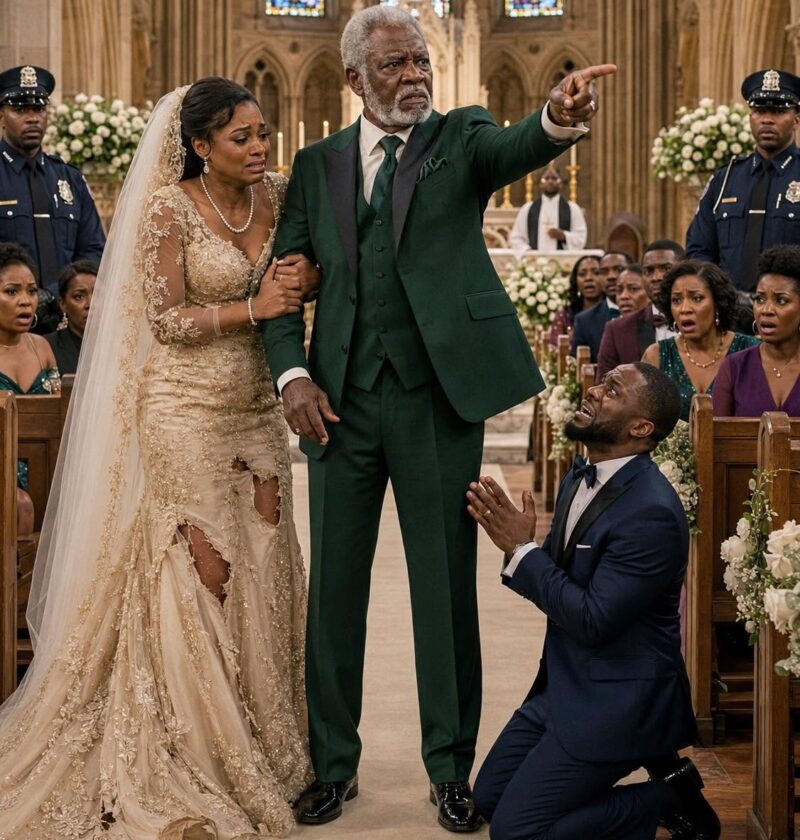
- Extreme emotional abuse or humiliation
- Public shock moment at a wedding
- Sudden interruption (“Stop this wedd…”)
- Designed suspense to force engagement
🧠 What these posts usually are
Most of the time, this type of story is:
- Fiction written for social media engagement
- Or a heavily exaggerated “story time” post
- Sometimes inspired by real themes, but not real events as described
⚠️ Why it’s written this way
It’s built to trigger:
- Shock
- Anger
- Sympathy
- Curiosity about the “twist ending”
That’s why it stops mid-sentence with “See more…”
✔️ Bottom line
This should be treated as unverified dramatic fiction unless a real source is provided. It’s structured like a short emotional script, not a report of an actual documented event.
If you want, I can also break down the typical “twist endings” these stories use and how to spot fake ones instantly.