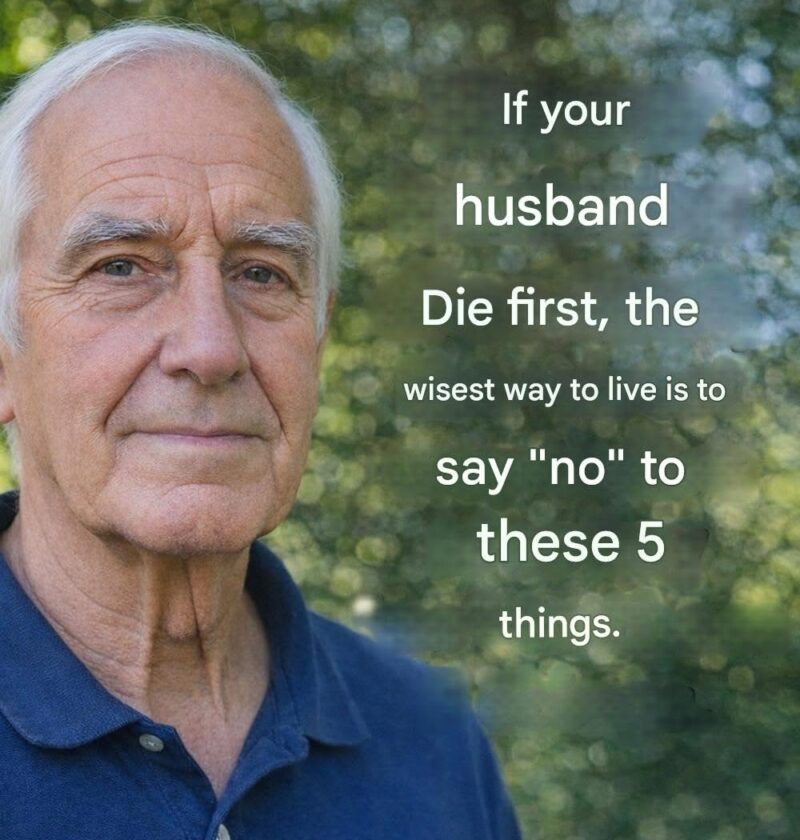
That’s a clickbait emotional headline. It tries to sound like a universal rulebook, but in reality there is no fixed “5 mistakes” list that applies to everyone after losing a partner.
Grief and adjustment after losing a spouse varies widely depending on personality, support system, health, and circumstances.
🧠 What actually matters after losing a partner
After bereavement, especially after 60, people often go through grief that can affect:
- sleep and appetite
- motivation and energy
- memory and focus
- social withdrawal
This is a normal response to loss, not a “failure.”
⚠️ Common real challenges (not “mistakes”)
Instead of blaming behaviors, experts focus on risks like:
1. Isolation
- Withdrawing completely from friends/family
- Can worsen loneliness and depression
2. Neglecting health
- Skipping medication or checkups
- Losing routine in eating and sleep
3. Avoiding emotional support
- Not talking to anyone about grief
- Holding everything inside for too long
4. Major rushed life decisions
- Selling property or moving suddenly during intense grief
5. Not allowing time to grieve
- Expecting yourself to “be strong” immediately
❤️ What actually helps people heal
- Staying connected with supportive people
- Keeping a simple daily routine
- Gentle physical activity (walking, light exercise)
- Talking to a counselor or support group if needed
- Allowing grief without judgment
🧠 Important reality
There is no “right way” to grieve and no checklist that guarantees a peaceful life. Healing is usually gradual and non-linear, not based on avoiding a few mistakes.
🧠 Bottom line
These posts oversimplify grief. After losing a partner, what matters most is support, routine, connection, and time—not following a fear-based list of “mistakes.”
If you want, I can also explain:
- healthy stages of grief
- or practical ways to support someone who lost a spouse 👍