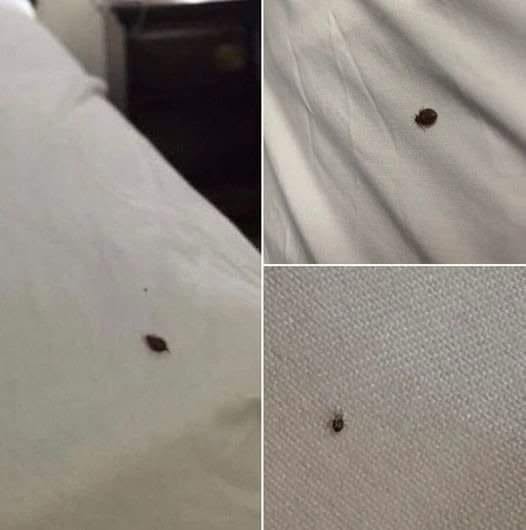
If you find ticks in your home, the goal is to remove existing ticks, prevent bites, and stop new ticks from being brought inside.
🕷️ 1. Find the source
Ticks usually enter homes on:
- Dogs or cats
- Clothing after outdoor activities
- Outdoor gear, blankets, or luggage
Check pets carefully, especially around:
- ears
- neck
- between toes
- under collars
🧹 2. Clean thoroughly
- Vacuum carpets, rugs, furniture, and cracks along baseboards.
- Empty the vacuum promptly into a sealed bag or outdoor bin.
- Wash pet bedding, blankets, and recently worn outdoor clothing in hot water when appropriate.
🐕 3. Protect pets
Talk with a veterinarian about tick prevention products. Consistent prevention is one of the most effective ways to stop ticks from entering the home.
🌿 4. Reduce ticks around your yard
- Keep grass short.
- Remove leaf litter and brush piles.
- Create a barrier between wooded areas and play or seating areas if possible.
👕 5. After spending time outdoors
- Check your body and clothing for ticks.
- Shower after hiking or spending time in tall grass or wooded areas.
- Put clothes through a hot dryer cycle if recommended for the fabric.
⚠️ If you find a tick attached to a person
- Remove it as soon as possible using fine-tipped tweezers.
- Grasp it close to the skin and pull steadily upward.
- Clean the area afterward.
Avoid folk remedies such as:
- petroleum jelly
- nail polish
- burning the tick
These methods can make removal more difficult.
🩺 Watch for illness
After a tick bite, seek medical advice if you develop symptoms such as:
- fever
- rash
- fatigue
- headache
- muscle or joint aches
📌 Bottom line
The most effective strategy is a combination of vacuuming, washing fabrics, checking pets, and preventing ticks from entering the home in the first place. A few ticks indoors usually means they’re being carried in from outside rather than breeding throughout the house.