That reads like a personal narrative or storytelling post, not a verifiable fact by itself.
🧠 What it is
The structure matches common “emotional story” content:
- tragic event (car crash, loss of parents)
- survivor focus (“I was the only one who survived”)
- intense emotional aftermath (grief, physical impact)
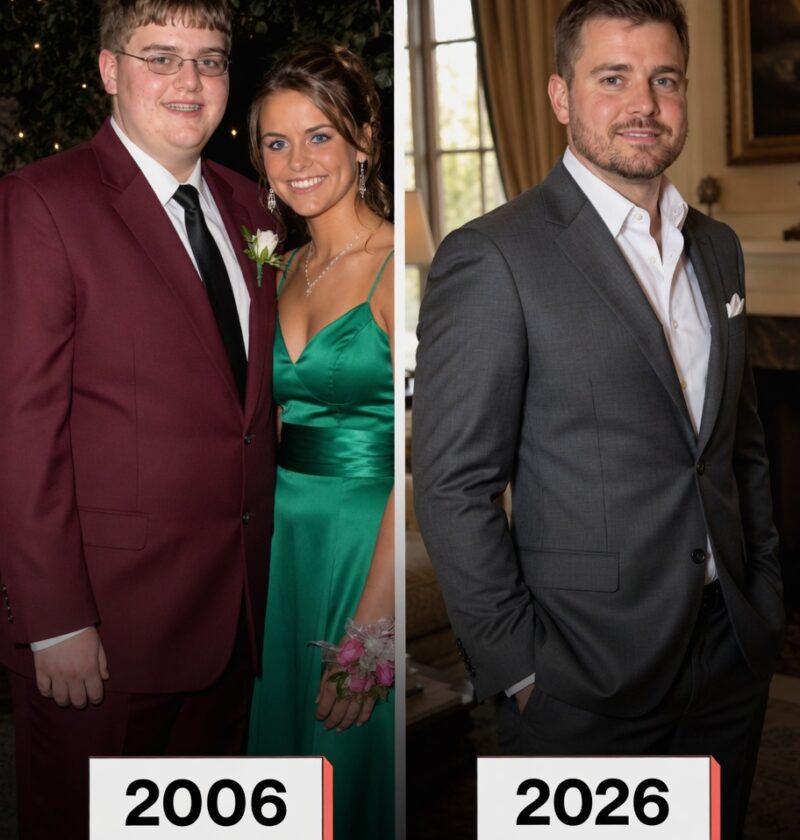
- personal transformation setup (weight gain, recovery arc)
This style is often used in:
- memoir-style writing
- viral social media storytelling
- AI-generated emotional narratives
- clickbait “life story” posts
🚩 Why it may not be factual as presented
On its own, it lacks:
- names or identifying details
- location or source verification
- news or public record reference
- any way to confirm authenticity
So it reads like a crafted story hook, not a documented report.
🟢 Bottom line
This is fiction-style or autobiographical storytelling content, but it is not verifiable as a real event from the text alone. It’s written to evoke emotion and engagement rather than provide confirmed information.
If you want, I can break down how to tell when a “trauma story post” is likely real vs scripted—there are some very clear patterns.