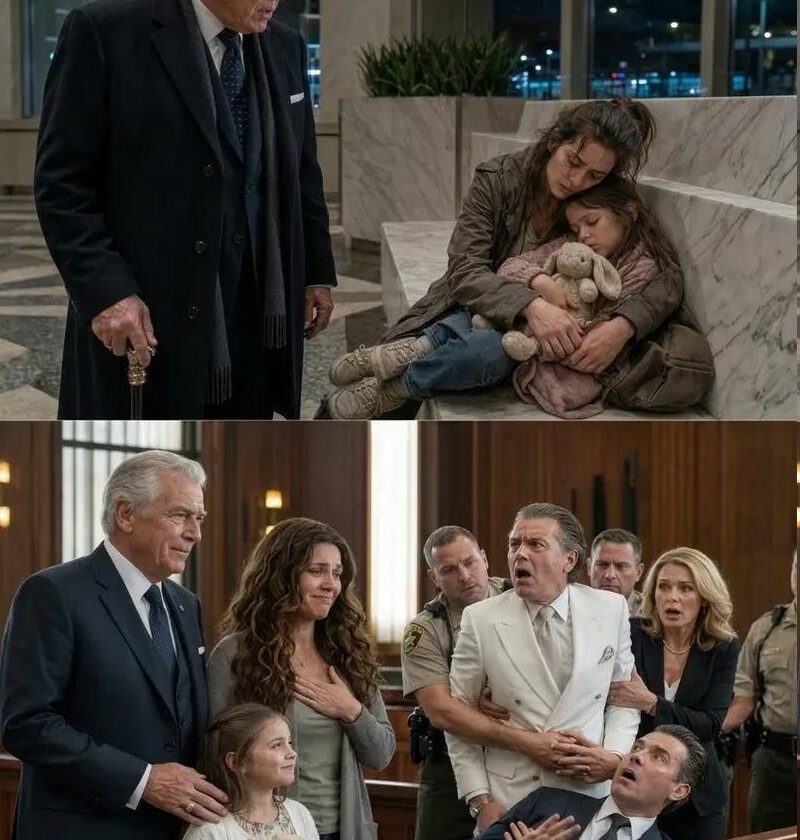
This is fiction-style storytelling, not a factual report.
🧠 What it is
The structure is very typical of viral “emotional twist” posts:
- vivid setting (bank, marble bench)
- emotional imagery (exhausted mother, child, “torn rabbit”)
- mystery line (“They took everything”)
- misunderstanding (money vs. something else)
- promised twist (“fatal mistake”)
This is designed like a short dramatic story or AI-generated narrative, not real news or a documented event.
🎭 Why it feels real
These posts work because they use:
- strong emotional triggers (poverty, child, injustice)
- realistic settings (banks, apartments)
- incomplete information (“see what happens next” feeling)
That mix makes them feel like real incidents even when they are not verifiable.
🚩 Reality check
On its own, this is not a credible account because:
- no names, dates, or location details
- no source or reporting outlet
- cinematic, novel-like pacing
- structured like a scripted “twist reveal”
🟢 Bottom line
This is fiction or heavily dramatized content, built for engagement and emotional impact—not a real documented story.
If you want, I can show you how to quickly identify these “twist story” posts in seconds so they’re easier to spot next time.